 Est. 2003
Atlanta homeowners frequently face budget overruns and unexpected delays during home renovations. The most common mistakes include starting without a detailed scope of work, skipping professional design services, and underestimating the total budget, all easily avoided with proper planning and an experienced local contractor.
After completing over 500 projects across Cherokee, Cobb, and Fulton Counties, we’ve identified the patterns that separate successful renovations from disasters. Most Atlanta remodeling projects exceed budget by 20–30%, and nearly half face unexpected delays. Here are the 10 most common mistakes and how to avoid them.
1. Starting without a detailed scope
“We’ll figure it out as we go” creates budget disasters. Scope creep adds 20–40% to final costs. In older North Atlanta homes (1970s–80s construction common in East Cobb, Roswell, Canton), hidden issues are practically guaranteed. The fix: work with contractors who open walls strategically before finalizing budgets, and document exact materials, finishes, and scope in writing with a formal change-order process.
2. Skipping professional design services
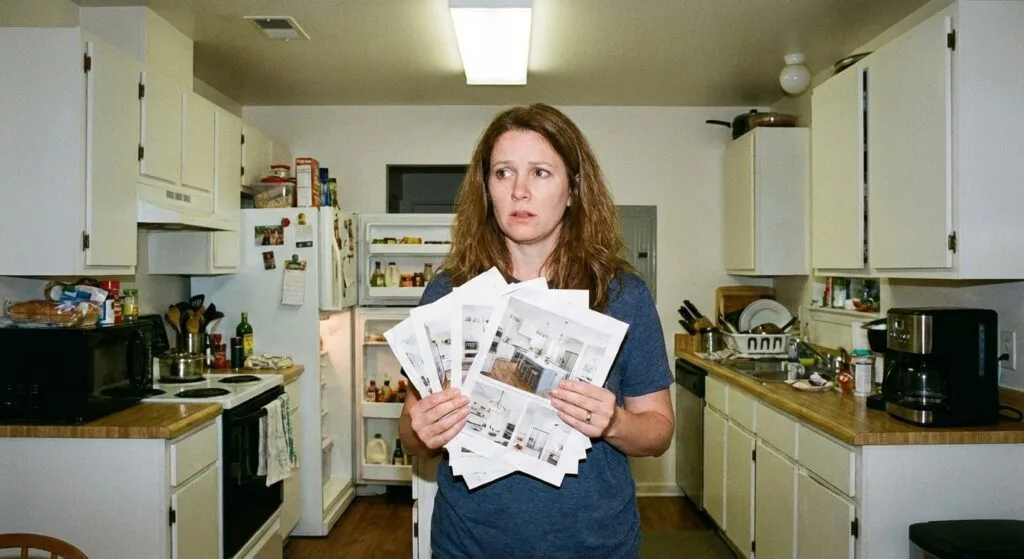
Design services represent 5–10% of renovation budgets but deliver returns exceeding the investment. 3D renderings reveal problems before construction, detailed drawings ensure accurate bids, and permit-ready plans speed approvals. Designers understand Atlanta codes, spatial relationships, and how Georgia’s climate impacts material performance.
3. Underestimating your budget
Most homeowners base budgets on the low end of online ranges. Hidden costs include permit/inspection fees, temporary living arrangements, material price fluctuations, code upgrades, disposal fees, and appliance delays (6–8 months for some brands). The 20–30% contingency rule: reserve 20–30% for unforeseen issues, pre-1990 basement projects should carry 30% for hidden moisture, electrical, and structural surprises.
4. Ignoring Atlanta-specific cost factors
| County | Processing time | Special requirements |
|---|---|---|
| Cherokee (Canton, Woodstock) | 2–3 weeks | Electrical work requires separate permits |
| Cobb (Marietta, Kennesaw) | 3–4 weeks | Engineering stamps for structural changes |
| Fulton (Alpharetta, Milton, Roswell) | 2–4 weeks | City-specific standards, historical restrictions |
High-end appliances show 6–8 month lead times and custom cabinetry needs 8–12 weeks. North Atlanta’s strong economy keeps quality contractors booked 2–3 months ahead, with spring and fall the longest waits.
5. Over-improving for your neighborhood
| Market area | Smart investment level |
|---|---|
| Alpharetta / Milton / Roswell | Match or exceed local standards with high-end finishes |
| Marietta / East Cobb | Know your specific area’s norms (varies by subdivision) |
| Woodstock / Canton / Acworth | Focus on durability and function over ultra-premium |
6. Choosing a contractor on price alone
The lowest bid almost always costs most. Lowball bids backfire through incomplete scope, inferior materials, unlicensed labor, cash-flow problems, and corner-cutting. Red flags: pressure to sign immediately, large upfront deposits (over 30%), cash-only demands, vague scope, no mention of permits. Competitive bids for similar scope should cluster within 15–20%.
7. Not verifying credentials and references
Georgia law requires contractors to be licensed for projects over $2,500. Verify licensing (Secretary of State + local building department), confirm general liability ($1M minimum) and workers’ comp insurance, and check references: How did cost compare to estimate? Were there surprise charges? How were problems handled? Would you hire them again?
8. Poor communication and documentation

“He said, she said” disputes destroy relationships. Insist on a detailed contract (room-by-room scope, exact materials, milestone timeline, payment schedule, change-order procedures, warranty terms), a communication schedule, a written change-order process, and before/during/after photo documentation.
9. Skipping required permits
Unpermitted work brings financial penalties, insurance denial, resale problems, safety risks, and legal liability. Always requires permits: structural changes, electrical beyond fixture swaps, plumbing relocations, HVAC changes, footprint additions, finished basement bedrooms. Doesn’t: painting, like-for-like flooring, cabinet refacing, countertop replacement, fixture swaps in existing locations.
10. Wrong materials for Atlanta’s climate
Ventilation is non-negotiable: bathrooms need 50+ CFM exhaust vented outside; range hoods need 400+ CFM externally.
| Material | Poor choice | Better choice | Why |
|---|---|---|---|
| Flooring | Solid hardwood | Engineered hardwood | Dimensional stability with humidity |
| Cabinets | MDF construction | Plywood construction | MDF swells with moisture |
| Countertops | Unsealed natural stone | Quartz | Non-porous, no sealing |
| Grout | Unsealed cement | Epoxy or sealed cement | Resists moisture and mold |
| Paint | Standard paint | Mildew-resistant formulas | Essential for baths and kitchens |
Room-specific mistakes
Kitchens: pre-2000 homes often have 100-amp service that modern appliances overwhelm; islands need 42″ minimum clearance (48″ for multiple cooks); order appliances before demolition; plan layered lighting. Bathrooms: inadequate waterproofing (use cement board, not green board), ventilation vented outside (not attics), and failing cast-iron drains in pre-1980 homes. Basements: North Georgia clay creates hydrostatic pressure, plan French drains, vapor barriers, and waterproof coatings; egress windows (5.7 sq ft opening) cost far more to retrofit; verify HVAC capacity during planning.
Artistic Construction has completed over 500 North Atlanta projects with complete project management, transparent pricing, permit expertise, daily updates, and quality guarantees. Request your free estimate for a no-obligation consultation.
Frequently asked questions
How do I choose the best remodeling contractor?
Verify Georgia licensing, confirm active liability and workers’ comp insurance, and check reviews for patterns. Request itemized written estimates, interview at least three contractors, ask for references, and visit completed work.
What’s included in a quality remodeling warranty?
Comprehensive warranties cover workmanship for one to two years minimum, material defects per manufacturer terms, and structural modifications for five to ten years, with clear claim procedures and transferability.
How long should a kitchen remodel take in metro Atlanta?
Full kitchen remodels require six to eight weeks from demolition to completion, plus extra time for custom cabinetry (8–12 weeks) and appliance delivery.
What permits do I need for a bathroom renovation in Cherokee County?
Permits are required for plumbing modifications, electrical changes beyond fixture swaps, structural alterations, or ventilation installation. Cosmetic updates like painting don’t require permits.

Planning a project?
Skip the guesswork, get real numbers.
Reading is great. A clear, itemized estimate is better. Tell us what you have in mind.