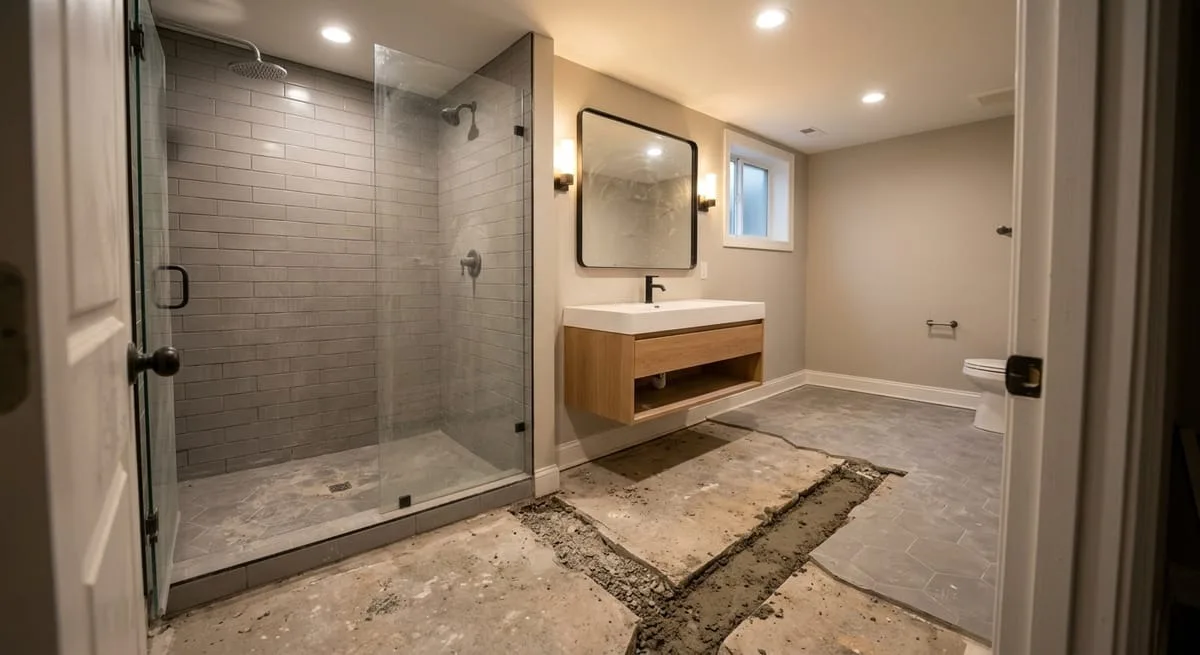
Basement Bathroom Cost in Atlanta: 2026 Price Guide
Wondering what a basement bathroom cost looks like in Atlanta? Compare 2026 pricing for half and full baths, concrete cutting, and upflush options.
Practical advice from 23 years of remodeling North Georgia homes, budgets, timelines, materials, and how to choose a contractor you can actually trust.
Wondering what a basement bathroom cost looks like in Atlanta? Compare 2026 pricing for half and full baths, concrete cutting, and upflush options.
All articles
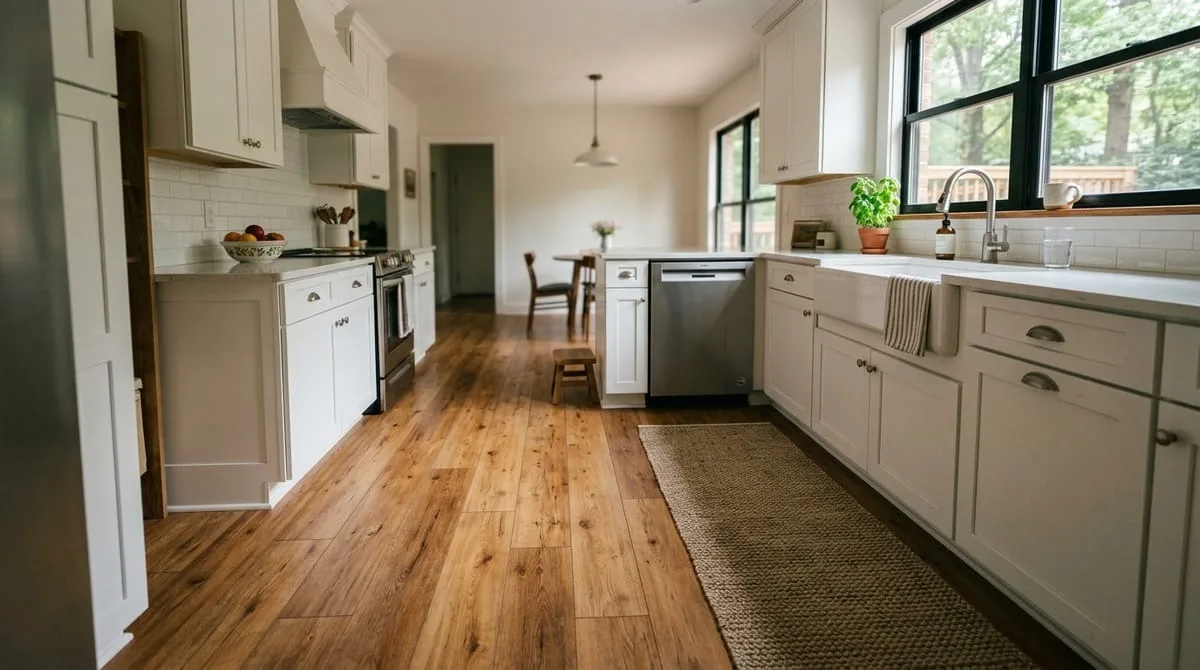
Looking for the best kitchen flooring for your Georgia home? Discover which waterproof and durable options actually hold up to Atlanta's climate.
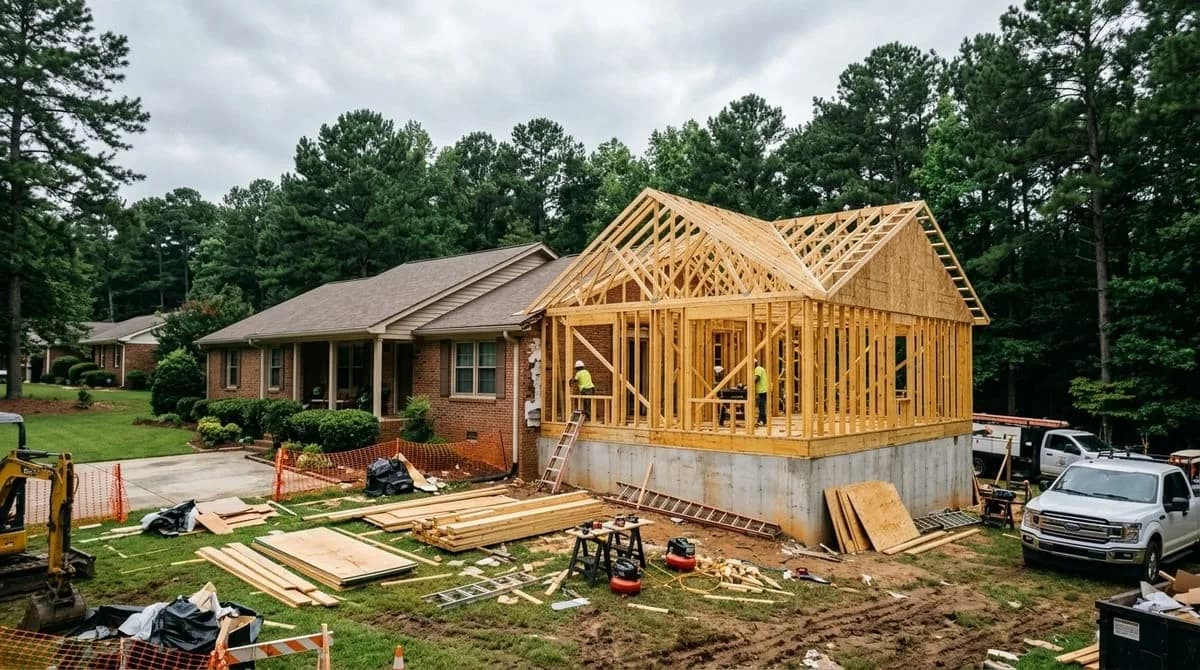
Wondering if a home addition is worth it? Compare Atlanta-area addition costs, ROI by room type, and whether it’s cheaper to add on or move.
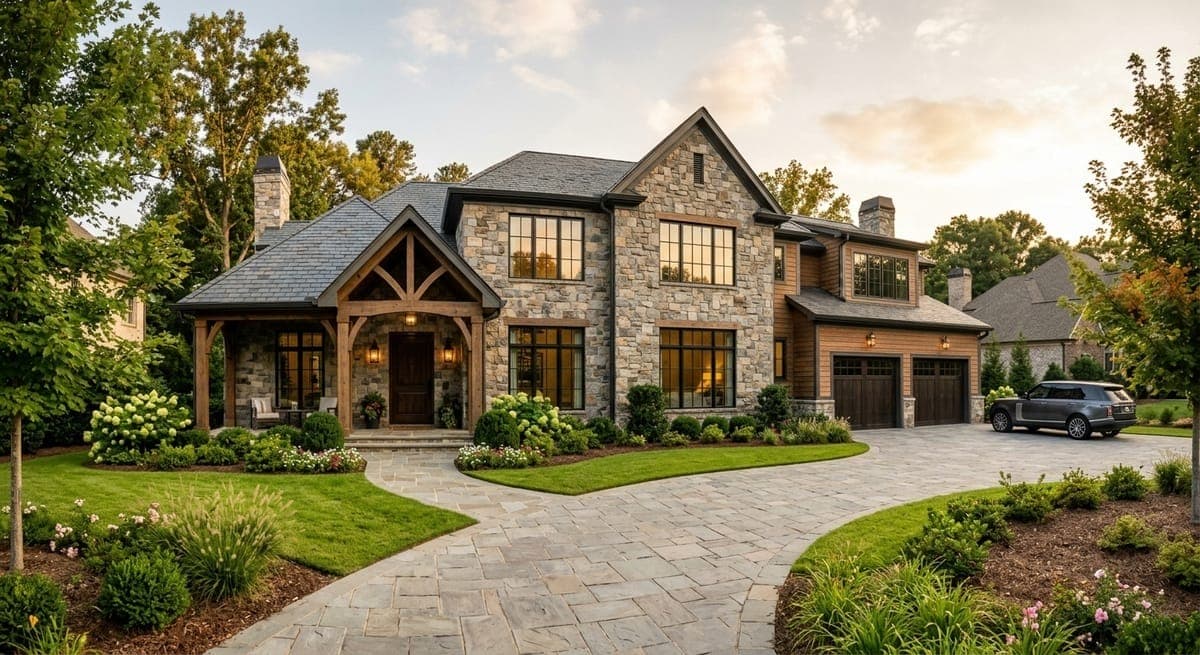
Build a luxury custom home in Johns Creek with transparent pricing, detailed line-item estimates in 48 hours, and a 12-18 month timeline from design to move-in.
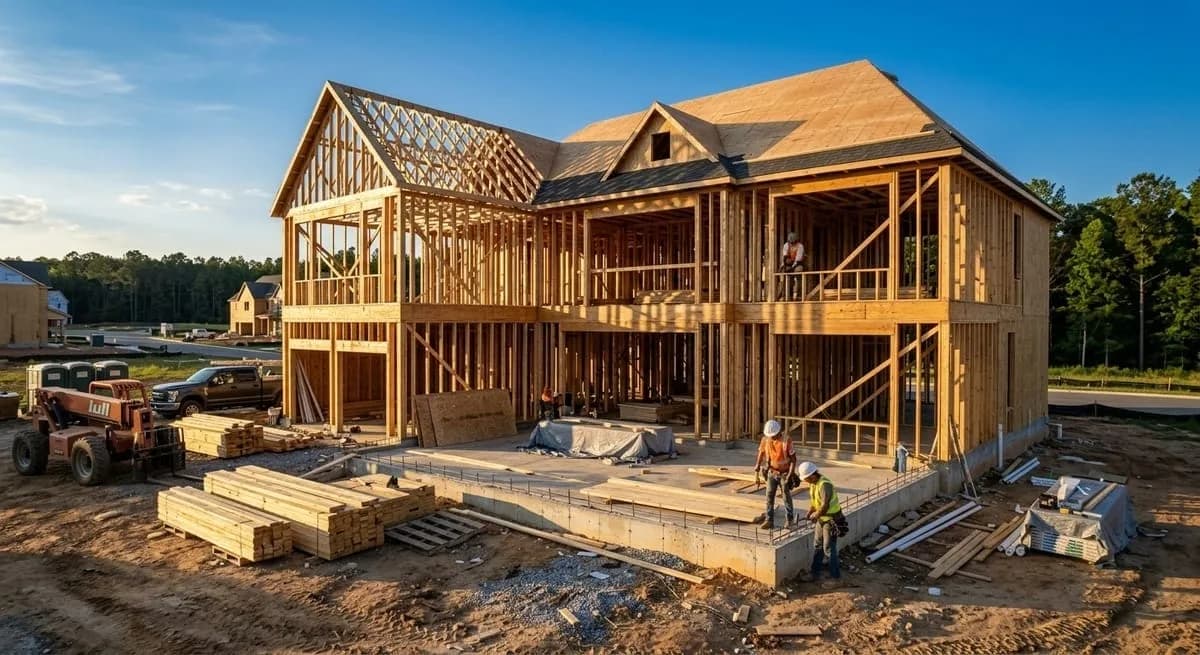
Learn how custom home draw schedules protect your investment with our 6-stage payment guide. Includes real Metro Atlanta examples, protection tips & free template.
A custom home builder specializes in ground-up new construction with integrated design-build services and single-point accountability. A general contractor executes projects from existing architectural plans and excels at renovations. Project type, customization needs, and whether you have completed plans determine which professional to hire.
Canton families trust Artistic Construction for custom homes built in 11-14 months, with 3D renderings, weekly photo updates, and one point of contact.
Atlanta custom home costs range from $225 to $500+ per square foot in 2026. See city-by-city pricing for Milton, Alpharetta, Roswell, and Canton with full budget breakdowns.
Ask these 12 questions before hiring a custom home builder in North Georgia. Covers county permit timelines, terrain red flags, and how to check references properly.
Fixed-price custom homes in Cumming & Forsyth County. 15+ years, 100+ builds, transparent timelines. Licensed builder. See our portfolio & get a free estimate.
The pre-construction phase for custom homes is the critical planning period between deciding to build and breaking ground, encompassing site evaluation, design development, engineering, budget finalization, and permit approvals. In metro Atlanta, this phase typically takes 8-16 weeks depending on site complexity and county requirements.
A custom home builder in Milton GA designs and constructs one-of-a-kind homes on client-owned lots, typically requiring 12-18 months from first consultation to move-in. The process spans six phases, from discovery and design through permitting and construction. Fixed-price contracts protect buyers from unexpected cost increases throughout the build.
Fixed price and cost plus are the two main custom home contract types, and the core difference is risk distribution. Fixed price contracts place financial risk on the builder, while cost plus contracts place it on the homeowner. The better choice depends on design status, budget flexibility, and project complexity.
Artistic Construction serves North Metro Atlanta including Alpharetta, Milton, Roswell, Canton, and Woodstock with transparent pricing, comprehensive project management, and 15+ years of local permitting expertise across Fulton and Cherokee counties.
Building a custom home in North Georgia costs $135-$250 per square foot depending on location and finishes. Alpharetta and Milton run $175-$250/sq ft, while Canton and Ball Ground offer better value at $135-$175/sq ft. Total project costs for a 2,800 sq ft home range from $378,000 to $700,000.
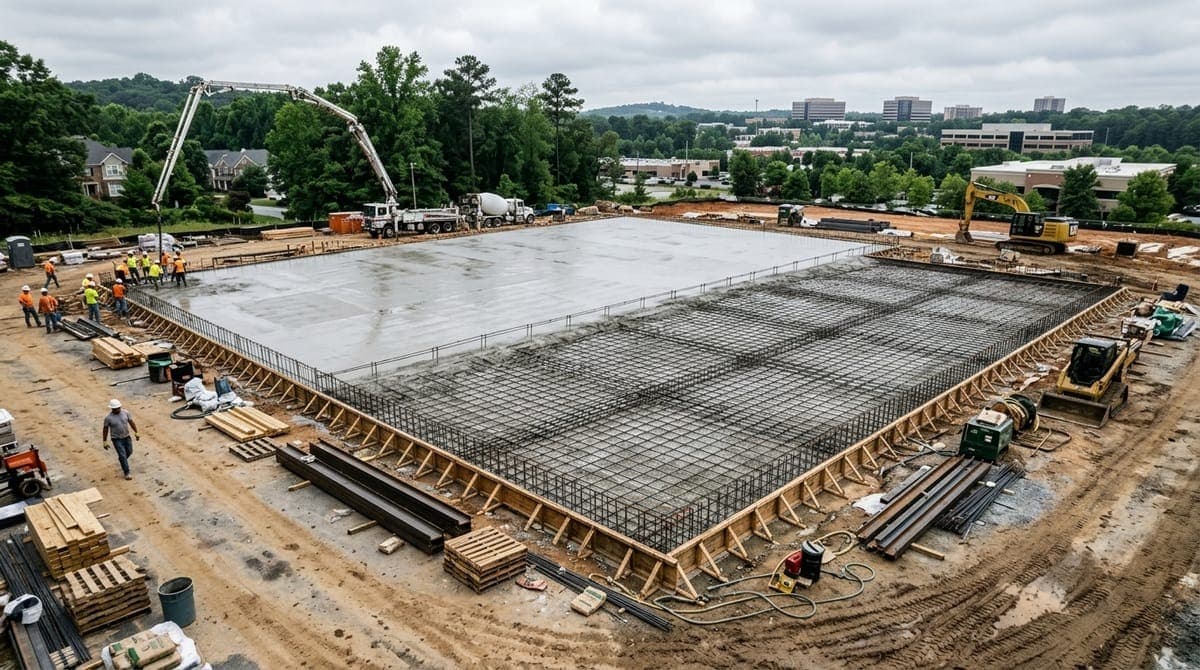
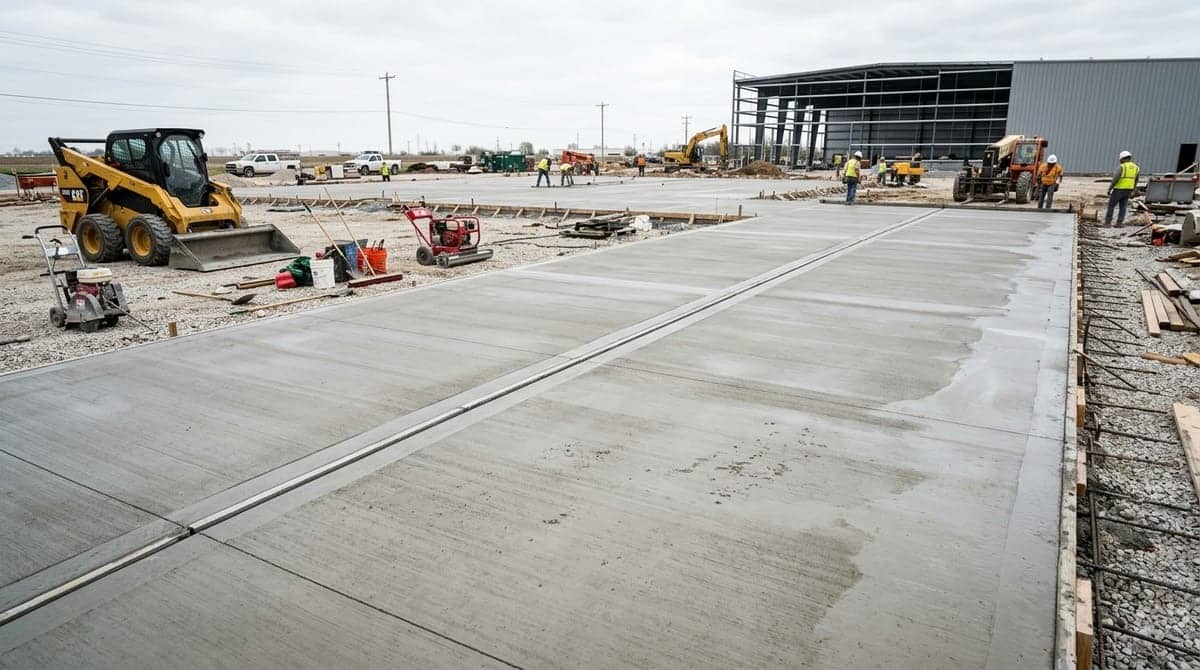
Commercial concrete slabs cost $6-18/sq ft in North Metro Atlanta based on specs. Light commercial runs $6-8, warehouses $8-12, industrial $12-18/sq ft.
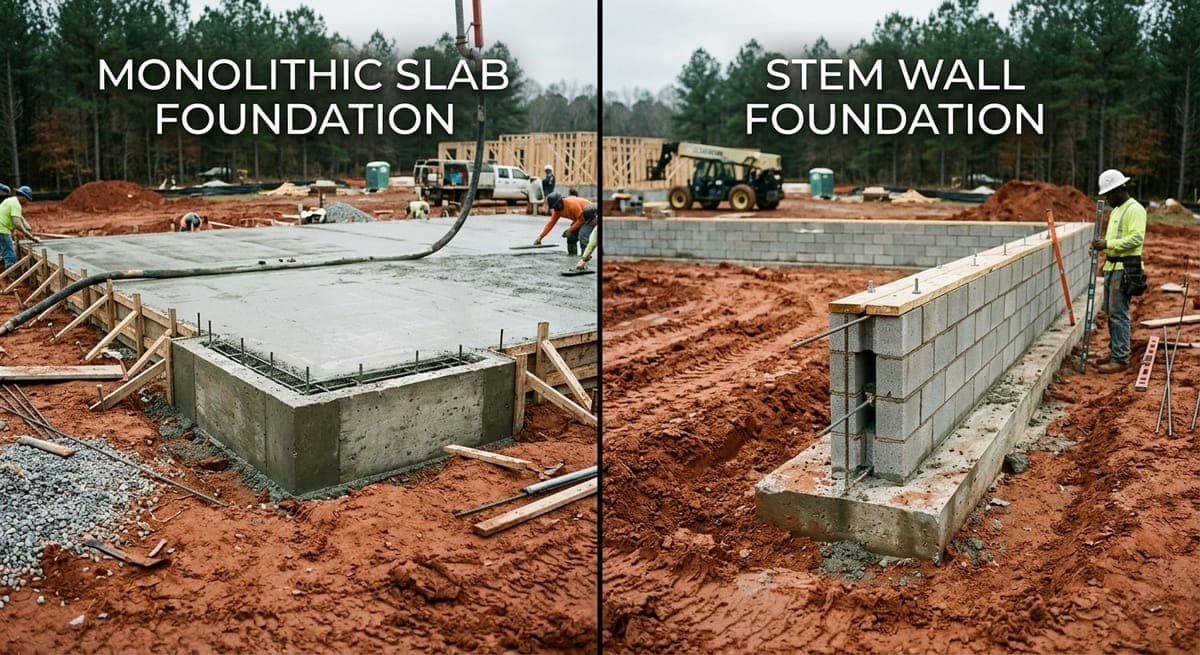
Monolithic slab and stem wall foundations are the two primary concrete foundation systems for commercial construction. Monolithic slabs combine the floor and footing in a single pour sitting directly on prepared soil. Stem wall foundations use concrete footings and vertical walls to create elevated crawl space beneath the structure.
Uneven concrete slabs are typically caused by soil settlement, erosion, or clay expansion beneath the surface. Professional polyurethane foam injection lifts and levels settled concrete by filling voids and raising slabs back to their original position, usually within one day at 50-70% less cost than replacement.
Commercial concrete slabs require 28 days to reach full design strength of 100%, though light use is typically safe after 7 days when the concrete achieves approximately 70% strength. Curing time depends on temperature, humidity, slab thickness, and proper moisture retention methods during the hydration process.
Minimum concrete slab thickness for heavy equipment starts at 6 inches for light industrial use. Real-world applications require 8 to 12 inches depending on forklift capacity, traffic frequency, and soil conditions. Underspecifying thickness creates cracking, spalling, and structural failure requiring costly replacement.
Modern home style options include six distinct approaches: contemporary, modern farmhouse, mid-century modern, industrial, transitional, and minimalist. Each brings defining characteristics suited to specific North Atlanta contexts. Modern design prioritizes clean lines, open floor plans, and abundant natural light while minimizing ornamental details.
Indoor outdoor living spaces create transitional areas combining interior comfort with outdoor access, adding 200-500 square feet of functional space to Atlanta homes. These solutions address Georgia's climate challenges through bug protection, pollen control, and climate management, extending usability from standard 4-month outdoor seasons to 9-12 months depending on design choices.
Sustainable building materials for Metro Atlanta homes include bamboo flooring, recycled metal roofing, cork, cellulose insulation, and low-VOC paints. These eco-friendly options handle Georgia's humidity while delivering energy savings, improved air quality, and increased home values with minimal cost premiums over traditional materials.
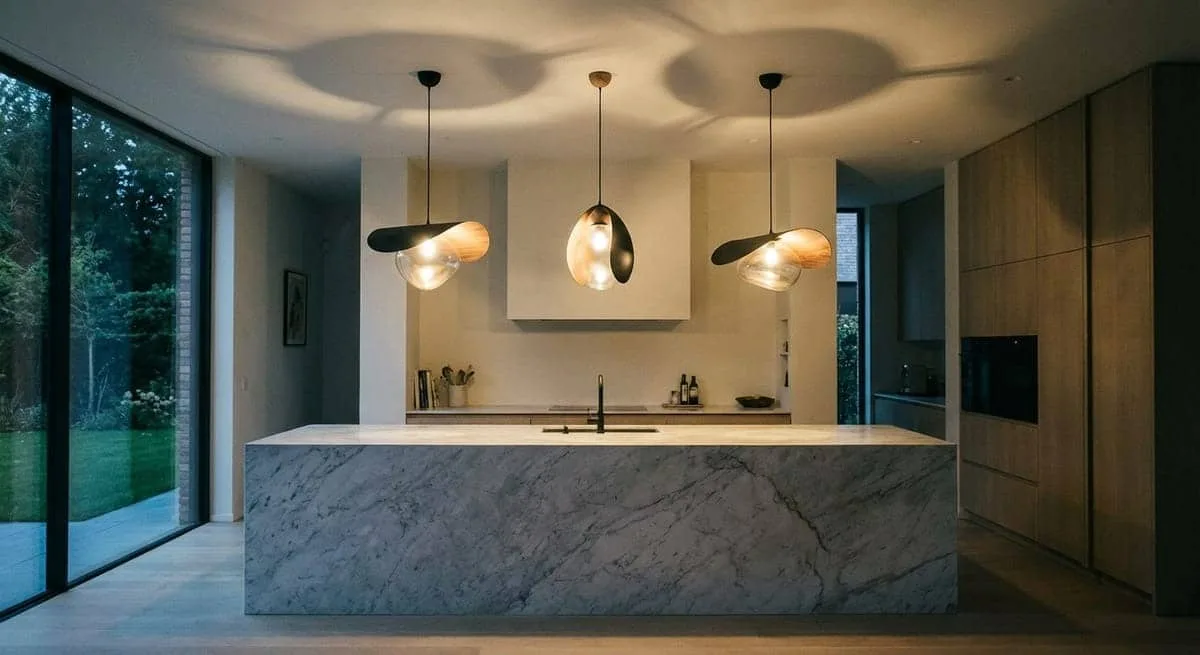
2026 lighting trends include sculptural fixtures that function as focal points, natural materials like alabaster and wood that replace high-gloss finishes, mixed metal combinations (especially aged brass with matte black), and circadian smart lighting systems that integrate seamlessly into beautiful modern fixtures.
Atlanta homeowners frequently face budget overruns and unexpected delays during home renovations. The most common mistakes include starting without a detailed scope of work, skipping professional design services, and underestimating the total remodeling budget. You can easily avoid these issues by properly planning and working with an experienced local contractor.
Building a custom home in Metro Atlanta typically takes 8 to 14 months from permit approval to move in day. A standard custom home usually falls in the 10 to 12 month range, while complex luxury builds can take up to 16 months or more. You will also need to factor in one to four months for planning and design before breaking ground.
HOA approval for remodeling in metro Atlanta typically takes 30-45 days for standard projects. Understanding your architectural review committee's requirements, submitting complete documentation, and working with experienced contractors significantly improves approval odds while preventing costly violations, timeline delays, and forced project modifications during construction.
Adding a professionally built deck to your metro Atlanta home typically increases its value by 70 to 80 percent of the construction cost. Premium composite decks often yield the highest return, sometimes recouping up to 85 percent of your investment. Thanks to Georgia's mild climate, buyers highly value these functional outdoor living spaces.
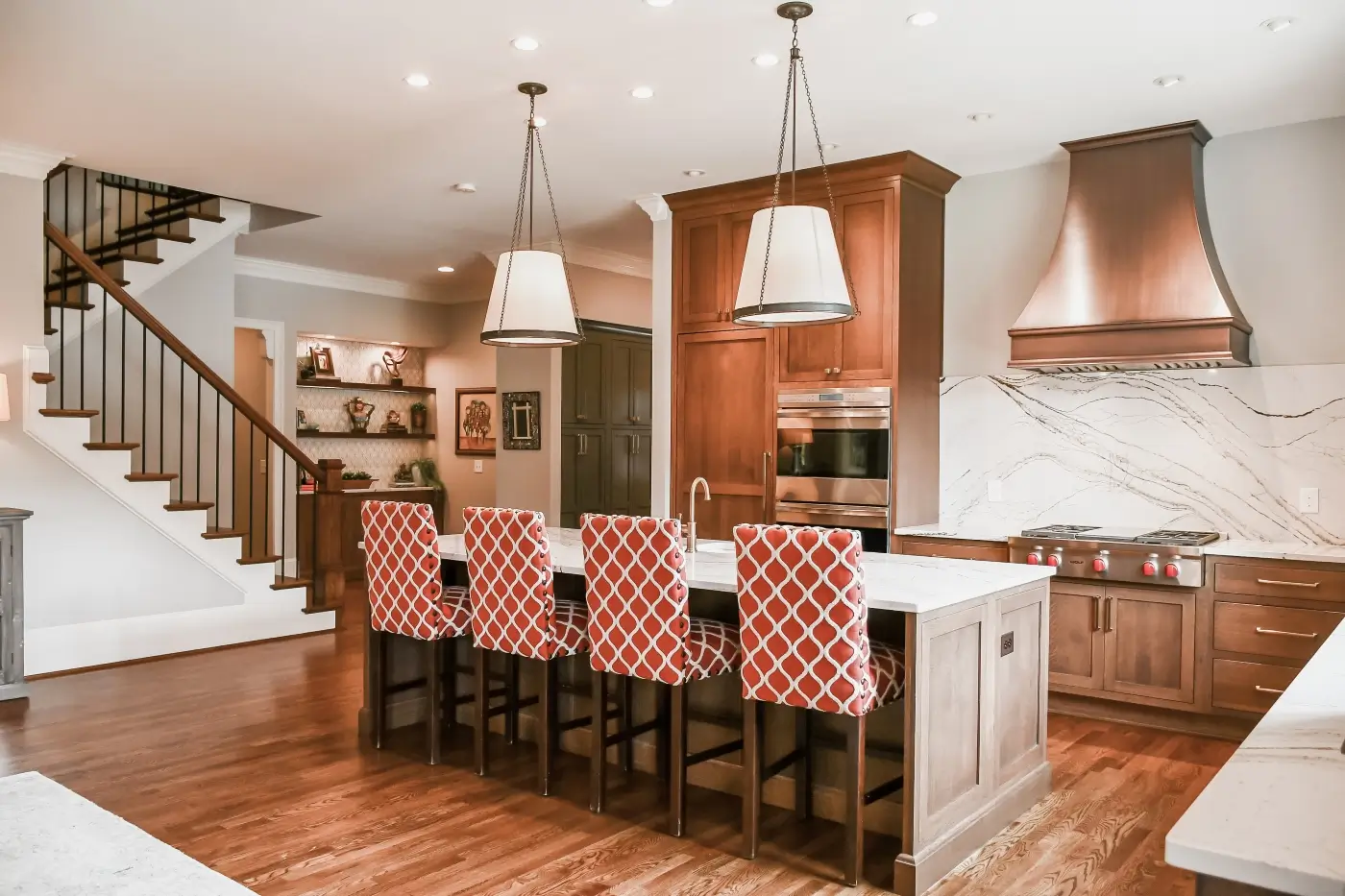
The top kitchen design trends in Atlanta for 2026 move away from stark white minimalism and focus on warm, organic color palettes. Homeowners are increasingly choosing two-tone cabinets, statement natural stone countertops, and textured artisan backsplashes to add character. You will also see a major shift toward smart technology integration and multi-functional islands.
The best energy efficient home upgrades to cut your costs include installing a high efficiency heat pump and upgrading your attic insulation to R-49. These two improvements offer the highest return on investment by significantly lowering your year round utility bills. You can also see immediate monthly savings by adding a smart thermostat and switching to LED lighting.
Remodeling a historic home in Metro Atlanta requires specialized expertise to balance modern building codes with strict local preservation regulations. Unlike standard renovations, you must navigate Certificate of Appropriateness approvals while safely updating outdated electrical and plumbing systems. This careful process takes extra time but beautifully preserves your home's unique architectural character.
Our top pick for the best neighborhood to live in Metro Atlanta is Buckhead, thanks to its established prestige, luxury real estate, and premier dining and shopping. For families prioritizing top-tier public schools, Decatur and the Roswell/Alpharetta areas are excellent choices. If you want a walkable urban lifestyle, consider Midtown or Virginia-Highland.
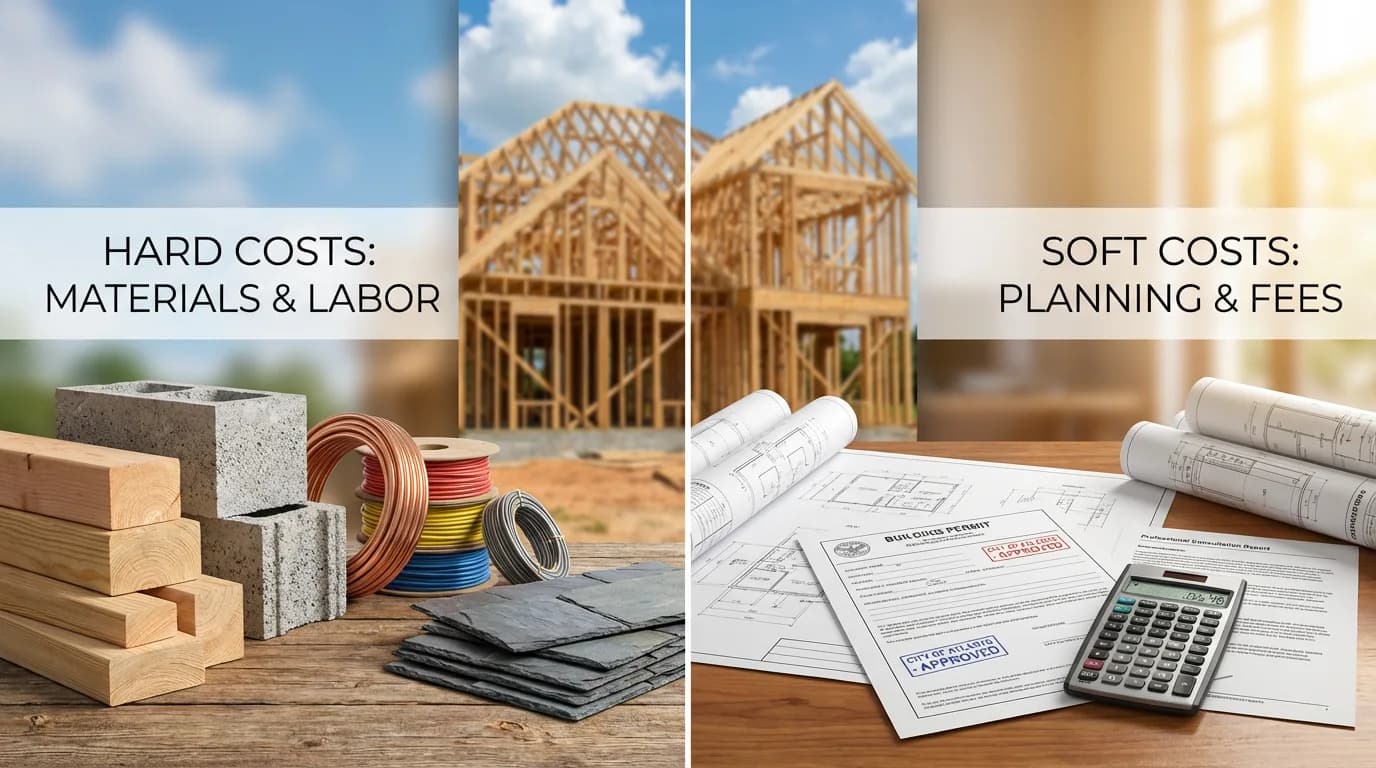
In custom home construction, hard costs refer to the tangible materials and physical labor needed to build your house, such as the foundation, framing, and interior finishes. Soft costs cover the intangible expenses required to complete the project, including architectural fees, building permits, and engineering services. Understanding both categories will help you avoid unexpected budget surprises.
Building on your own property gives you total design freedom and maximum privacy, but you must handle infrastructure like wells and septic systems over a 12 to 18 month timeline. Building in a subdivision offers a faster 6 to 9 month process with turnkey utilities and community amenities. However, you must adhere to HOA rules and architectural guidelines.
The most expensive part of a kitchen remodel is almost always the cabinetry, typically taking up 28 to 35 percent of your total budget. This is because cabinets require a massive amount of material, high quality finishes, and skilled professional installation to ensure they last. Knowing this upfront helps you make smart choices about where to splurge and where to save during your renovation.
The main difference between a basement and a cellar is how much of the space sits above ground. A basement has at least half of its height above ground with tall ceilings and natural light, making it perfect for living space. A cellar sits almost entirely below ground with low ceilings and is meant strictly for storage or utilities.
The best smart home systems in 2026 include Lutron for reliable lighting, Nest or Ecobee for climate control, and ADT for comprehensive security. Integrating these devices during your new home construction saves you up to 60 percent compared to retrofitting later. Early planning ensures a more capable, reliable, and cost-effective automated home.
You can successfully handle home improvement stress by setting clear communication rules with your contractor and carefully planning your budget upfront. It also helps to minimize daily disruptions by setting up a temporary kitchen and designating a construction-free sanctuary space where your family can relax. Taking these proactive steps will keep your anxiety low and your routines intact.
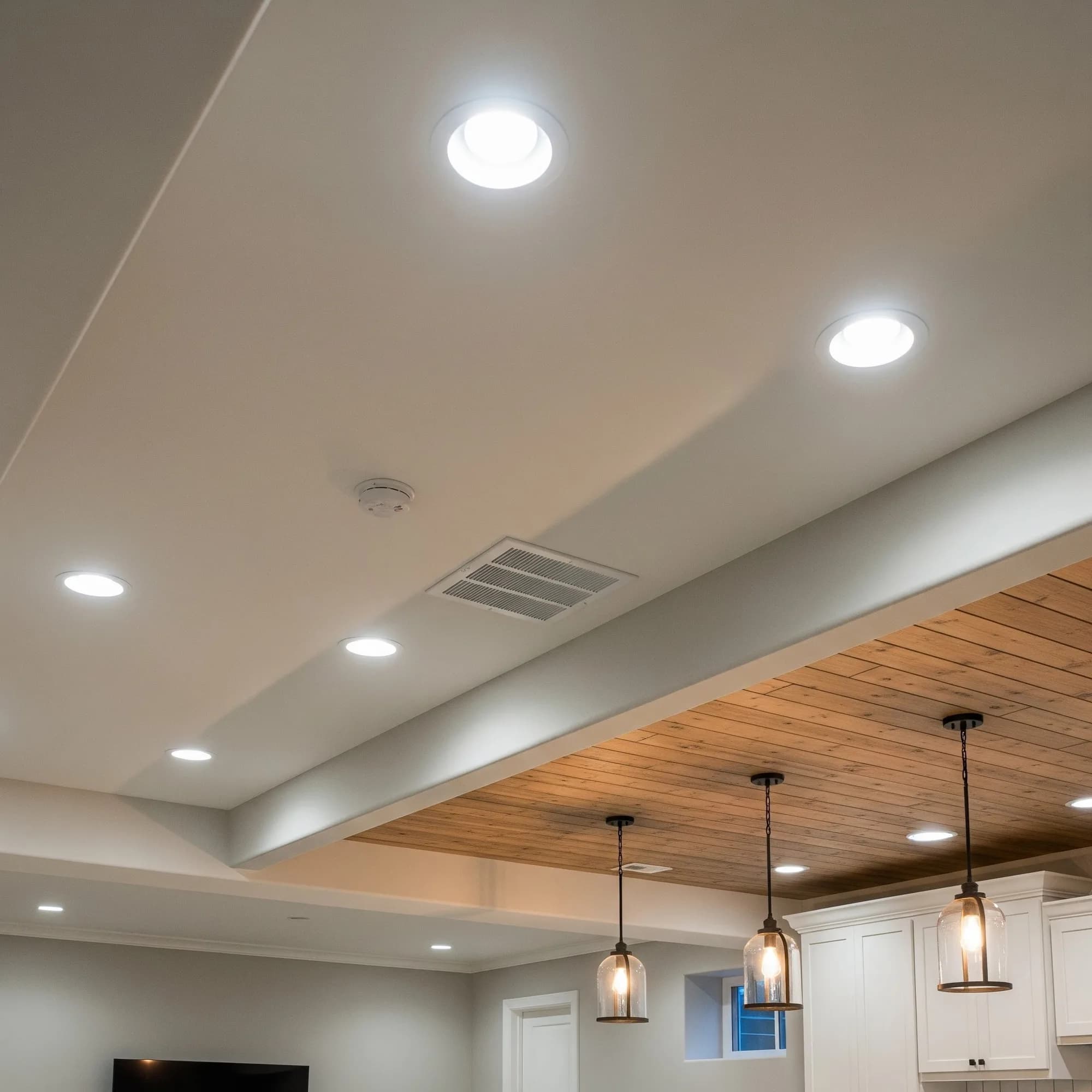
The best basement ceiling designs for Atlanta homes balance style, height clearance, and moisture resistance. Popular options include painted exposed joists to maximize your ceiling height, drop ceilings for easy utility access, and mold resistant drywall for a traditional finished look. You can also install wood plank ceilings to add warmth and premium texture to the space.
Stop guessing about basement flooring choices. Our Metro Atlanta experts have tested every option over 5,000+ basement projects, and we know exactly which materials deliver the best value for your investment.
Understanding the difference between finished and unfinished basements is crucial for North Georgia homeowners planning a renovation project. Whether you're considering a full basement finishing, a partially finished space, or keeping things unfinished for now, each option offers distinct advantages depending on your budget, needs, and long-term goals.
There's no single best countertop material because your ideal choice depends entirely on your cooking habits, budget, and lifestyle preferences. We ranked the top 13 countertop materials based on durability, cost, maintenance requirements, and real-world performance, covering every option with honest pros and cons.
Find the best basement financing options in Georgia for 2026. Learn about HELOCs, home equity loans, and personal loans to help you save thousands.
Our expert 5-phase vetting system reveals the critical questions to ask about licensing, local codes, and moisture control to avoid costly remodel disasters.
Compare contractor quotes like a pro. Learn to decode basement remodeling estimates, spot red flags, and make smart hiring decisions. Free checklist included.
See Alpharetta basement remodel costs, permits, timelines and budgeting tips for 2025. Built for North Atlanta homeowners planning a stress-free project.
Learn Georgia home addition permit costs, county requirements, timelines, and steps to avoid delays. Artistic Construction explains what homeowners need to know.
Is finishing a basement worth it in North Georgia? Explore the costs, ROI potential, and how a basement ADU can maximize your financial returns.
Thinking about kitchen remodel financing? Our complete guide explores 7 financing options, including HELOCs, FHA 203k loans, and solutions for bad credit.
See current Georgia renovation loan rates. Compare HELOCs from 7.00% vs. FHA 203(k)s and find new state rebates to lower your project cost.
With 5,000+ projects, daily updates & a 1-year warranty, we're North Georgia's trusted choice. Get transparent pricing & a stress-free experience.
Hiring the wrong Georgia contractor can be a disaster. Our guide covers everything: verifying licenses, comparing bids, understanding costs & a free checklist.
See realistic 2026 basement remodel costs in Woodstock, GA, plus local pricing factors and how Artistic Construction's fixed pricing keeps budgets clear.
Explore 12+ home addition types, from budget-friendly garage conversions to second-story additions, with real costs, pros/cons, and expert insights from 22 years building in metro Atlanta.
North Atlanta bathroom remodel costs by local experts: $8K basic to $70K luxury. Alpharetta, Roswell, Johns Creek insights. 22 years, 5,000+ projects!
See typical basement waterproofing costs in Alpharetta, from sealing to drains and sump pumps, plus what drives pricing and why quality matters.
Finishing a basement in North Atlanta costs $25-$50+ per square foot in 2026, with the average project ranging from $30,000-$75,000 depending on size, condition, and features.
North Georgia home additions cost $150-$250 per square foot in 2026, varying by room and complexity. Learn detailed pricing for Milton and nearby areas.
The 4 most expensive parts of basement remodeling are structural modifications, plumbing and bathroom additions, HVAC systems, and electrical work. The average basement remodel ranges from $35,000 to $75,000.
See real kitchen remodeling costs in North Georgia, from budget refreshes to custom builds. Get transparent pricing tips from Artistic Construction.
Get inspired by 2026's hottest basement trends from North Georgia's top remodelers! Home theaters, guest suites, bars & more. See real local examples!
Planning a project?
Reading is great. A clear, itemized estimate is better. Tell us what you have in mind.