 Est. 2003
Remodeling a historic home in Metro Atlanta requires specialized expertise to balance modern building codes with strict local preservation regulations. Unlike standard renovations, you must navigate Certificate of Appropriateness approvals while safely updating outdated electrical and plumbing systems, a careful process that takes extra time but beautifully preserves your home’s architectural character.
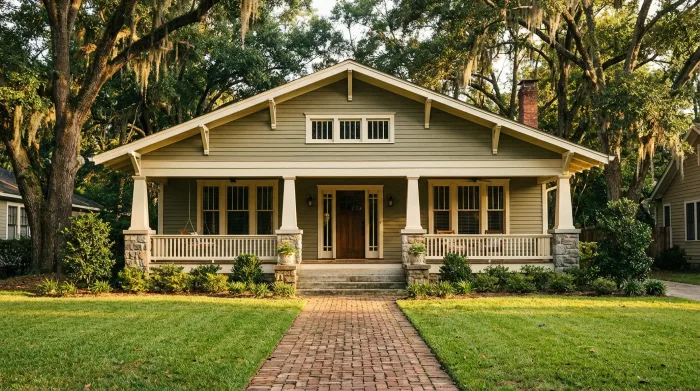
Your 1920s Craftsman bungalow has crown molding and hardwood floors modern construction can’t replicate, but the electrical predates WWII and the windows are beautiful but drafty. Historic remodeling requires knowledge most general contractors don’t have, from Certificate of Appropriateness applications to sourcing period-appropriate materials that meet modern codes.
What makes it different
Homes built between 1890 and 1950 used methods that have largely disappeared. Balloon framing (pre-1940) lacks the fire stops modern codes require. Knob-and-tube wiring poses safety and insurance challenges and usually needs complete replacement. Cast iron plumbing corrodes from the inside out, camera inspections reveal condition before emergencies. Foundation settling on brick or stone foundations requires structural assessment before cosmetic work. Overall, historic remodeling takes 25–40% more time than comparable standard work.
Navigating preservation regulations
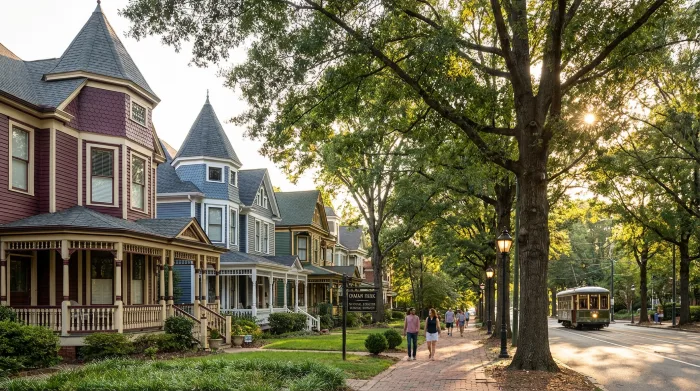
Certificate of Appropriateness (COA) requirements add 4–8 weeks in designated historic districts, every exterior modification needs approval before work begins. The Atlanta Urban Design Commission reviews Inman Park, Virginia-Highland, and Grant Park; Marietta’s commission oversees Glover Park; Roswell’s governs the Canton Street district. Interior work doesn’t need COA unless it affects the exterior. We prepare applications, attend meetings, and guide designs through with a 95% first-submission approval rate.
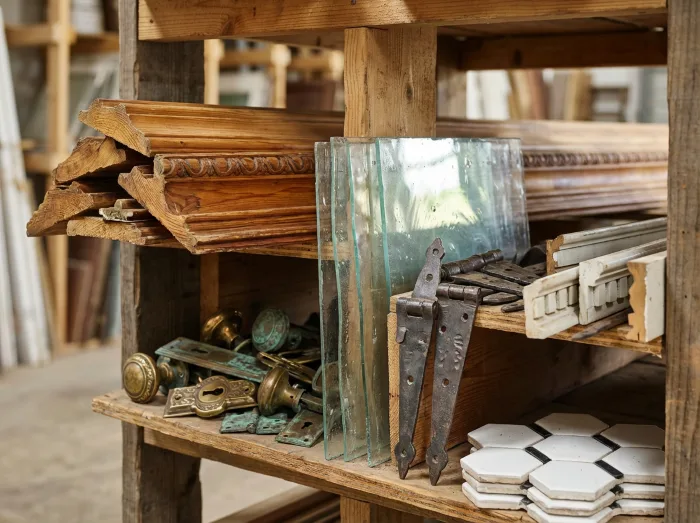
Period-appropriate materials come from architectural salvage yards (60–70% usable after removing damaged sections), custom millwork shops (3–4× standard trim prices), or modern alternatives, fiberglass windows matching original proportions, composite trim replicating wood profiles, and period-style LED lighting.
Services we provide
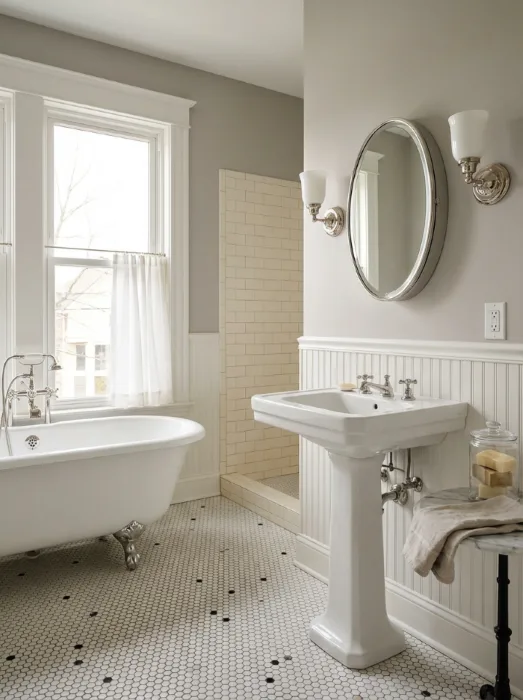
Historic kitchens: preserve and restore original cabinetry, integrate panel-ready appliances, and add GFCI outlets and code-compliant ventilation invisibly. Period bathrooms: source restored fixtures and quality reproductions, install modern plumbing behind preserved walls. Basement finishing: assess stone/brick foundations, repoint with lime-based mortars, add moisture management and code-compliant egress. Additions: designed to read as compatible later additions in subordinate positions, with COA approval. Exterior restoration: selective board replacement, window restoration over replacement, and porch preservation.
Balancing preservation and modern comfort
Mechanical, electrical, and plumbing systems hidden behind walls can be fully modernized without affecting visible character, mini-split HVAC eliminates ductwork that would damage plaster, and dense-pack cellulose insulation installs through small access holes. Worth saving: original heart pine/oak flooring, built-in cabinetry, and three-coat plaster walls. Worth modernizing: pre-1950 kitchen/bath layouts, energy efficiency, and safety code upgrades (knob-and-tube replacement, foundation stabilization, fire blocking).
Financial incentives
The Federal Historic Preservation Tax Credit provides a 20% credit for substantial rehabilitation of income-producing historic properties (listed on or contributing to the National Register). Georgia adds a 25% state credit, stacking to 45% of qualified expenses. Local jurisdictions may offer property tax reassessment protections and preferential valuations.
We’ve dedicated our practice to historic properties across metro Atlanta’s significant districts, with deep knowledge of regulatory requirements and preservation-focused craftsmanship. Get a quote today.
Frequently asked questions
Do I need special permits to remodel my historic home?
Properties in designated historic districts require Certificate of Appropriateness approval before exterior modifications. Interior work doesn’t require COA unless it affects the exterior. All construction requires standard building permits.
Can I modernize my kitchen in a historic home?
Absolutely, modern kitchens fit within historic homes when renovations balance preservation with function. Interior kitchen remodeling rarely requires preservation commission approval.
What is a Certificate of Appropriateness?
The approval document preservation commissions issue authorizing exterior modifications in designated districts. Monthly meetings review applications, requiring 6–8 weeks from submission to approval.
Are there tax credits for historic renovation?
Federal credits provide 20% for income-producing historic properties; Georgia adds 25%, totaling 45% for qualifying projects.
Should I restore or replace original windows?
Original wood windows in good structural condition warrant restoration through reglazing, weather-stripping, and storm windows. Replacement is appropriate only when extensive rot makes restoration impractical.


Planning a project?
Skip the guesswork, get real numbers.
Reading is great. A clear, itemized estimate is better. Tell us what you have in mind.