 Est. 2003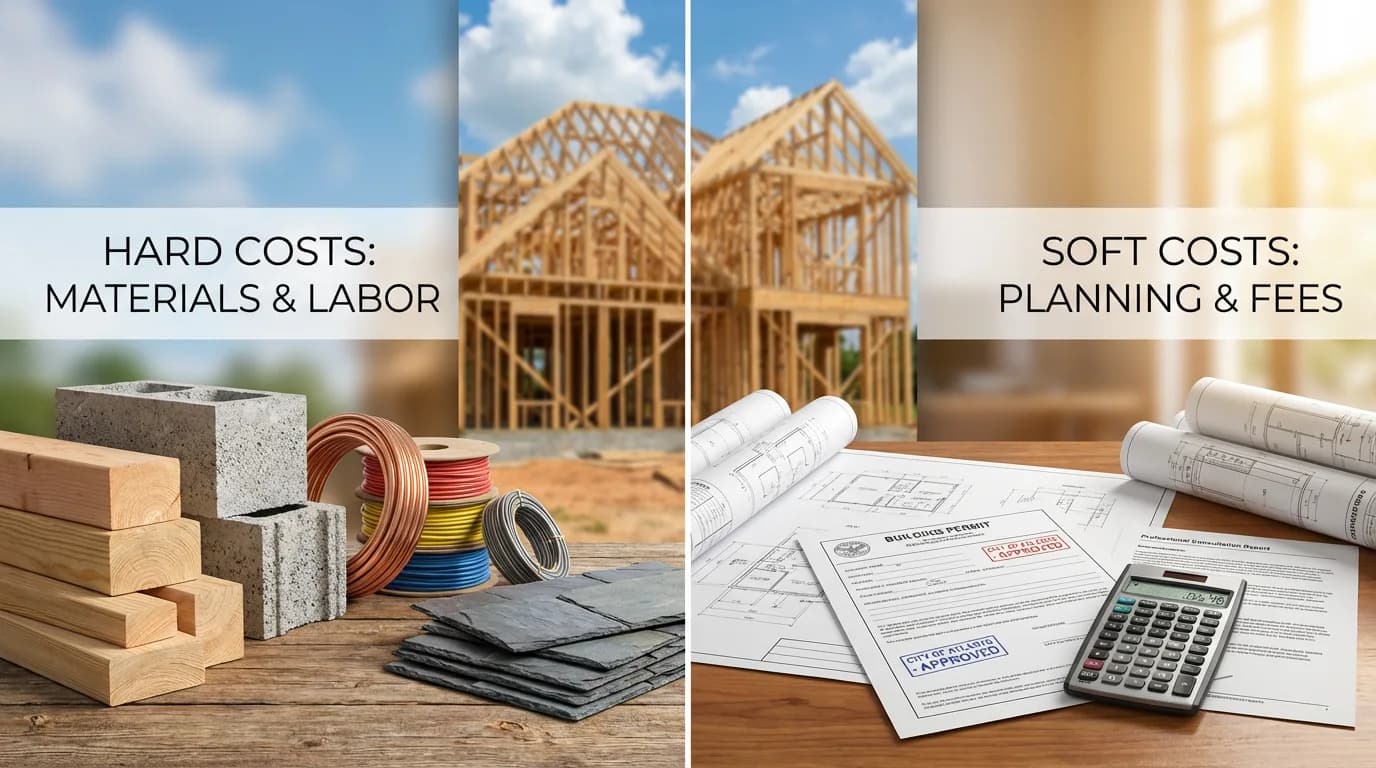
In custom home construction, hard costs are the tangible materials and physical labor needed to build your house, foundation, framing, interior finishes. Soft costs cover the intangible expenses required to complete the project, architectural fees, building permits, and engineering services. Understanding both helps you avoid unexpected budget surprises.
Most homeowners focus intensely on hard costs while dramatically underestimating soft costs. This oversight leads to budget surprises that can derail projects or force painful compromises on your dream home.
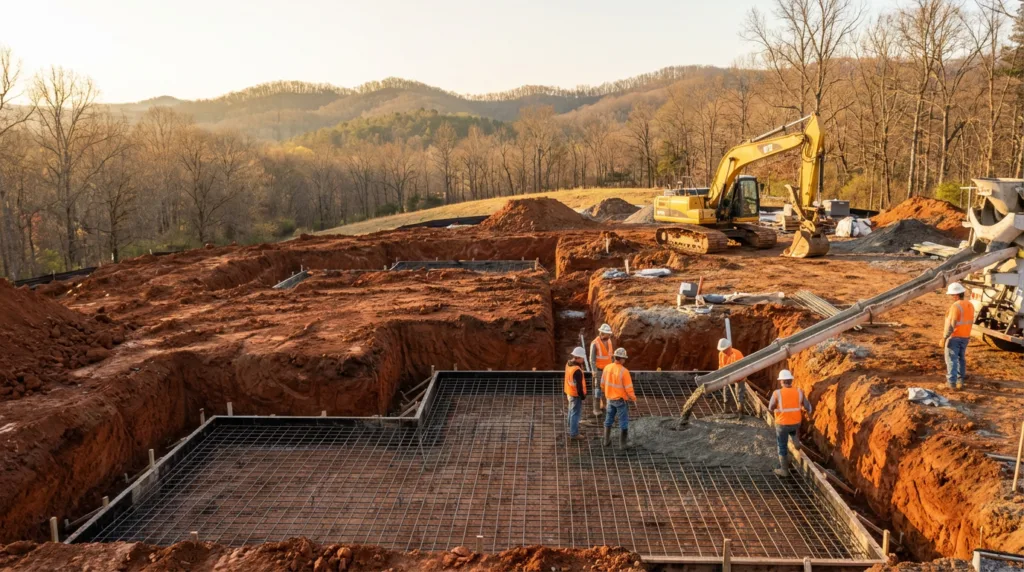
Hard costs: the physical build
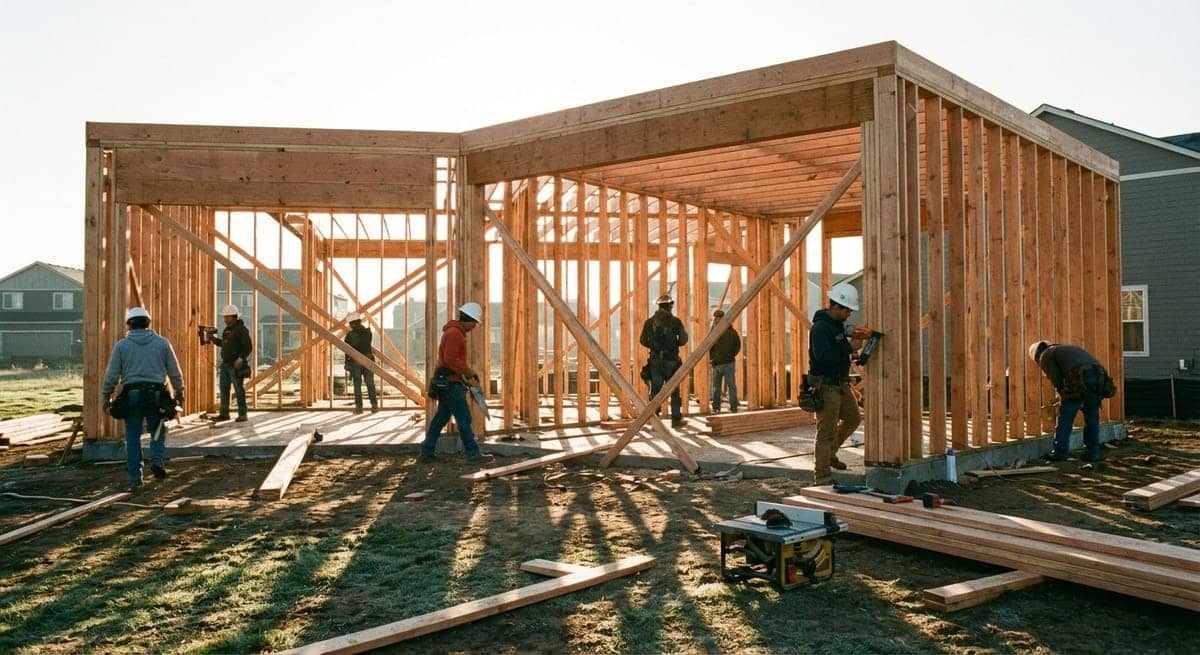
Foundation & site prep, excavation and grading (expensive in rocky Cherokee County), concrete, rebar, waterproofing, footings designed for Georgia’s expansive clay that swells when wet and shrinks when dry. Structural systems & framing, dimensional and engineered lumber, steel beams, trusses, sheathing, and code-compliant connectors. Building envelope, roofing, siding/brick, climate-zone windows and doors, insulation, weather barriers, gutters sized for North Georgia’s rainfall.
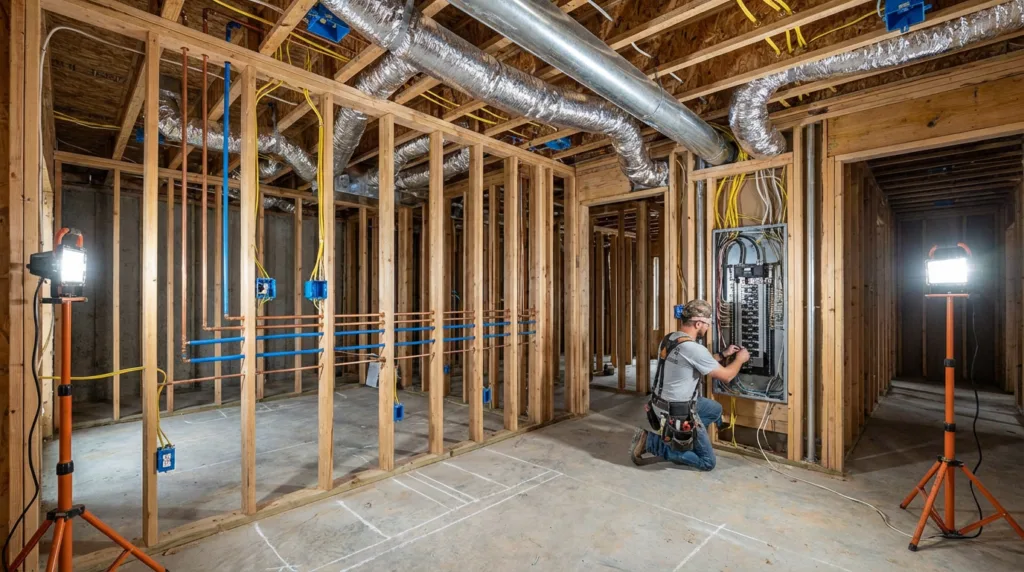
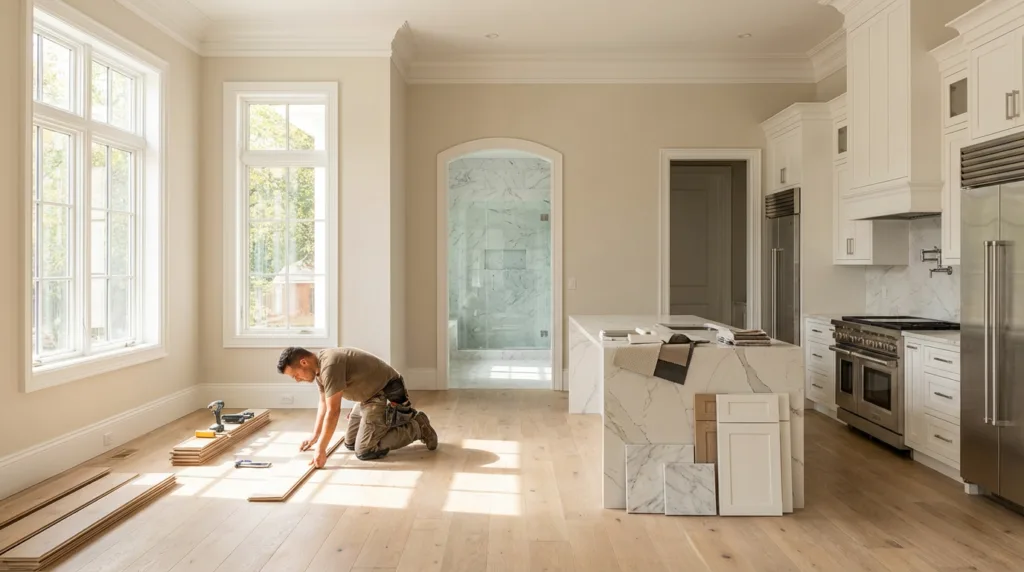
Major systems, complete HVAC with zoning, full electrical, plumbing rough-in and finish, gas lines, water heater. These must meet strict local codes; unlicensed installers create permitting problems that prevent your Certificate of Occupancy. Interior finishes, drywall, trim and millwork, flooring, cabinets and countertops, vanities, doors, and paint (the most flexible budget lever). Site development, driveway, landscaping, retaining walls on sloped lots, lighting, irrigation, and fencing.
Soft costs: the intangibles
Professional services: architectural design (four to six months before construction, paid in phase-tied installments), structural/civil/geotechnical/HVAC engineering, and optional interior design. Quality architecture prevents expensive mid-construction change orders.

| Jurisdiction | Base permit structure | Additional permits |
|---|---|---|
| Cherokee County | Valuation-based calculation | Electrical, plumbing, HVAC, grading |
| North Fulton County | Valuation-based structure | Separate trade permits required |
| Forsyth County | Standardized rate schedules | Additional for pools, structures |
| Cobb County | Valuation-based with plan review | Complex projects incur higher fees |
Other soft costs: pre-construction analysis (boundary/topographic/tree surveys, geotechnical soil testing, critical in expansive red clay, environmental assessments); construction financing (origination fees, interest during the build, appraisal, builder’s risk insurance); project management (scheduling, subcontractor oversight, change orders, warranty admin); third-party testing/inspection; utility connections; and temporary site facilities.
Skimping on geotechnical analysis ranks among the most expensive mistakes, foundation repairs cost exponentially more than thorough initial testing. Request a free estimate for a clear, itemized breakdown.
Frequently asked questions
Can I finance soft costs with my construction loan?
Most lenders finance many soft costs (permits, engineering, utility connections, builder-coordinated architecture), but early expenses like initial surveys, pre-loan soil testing, and architectural retainers often require separate funding.
What percentage of my budget should go toward soft costs?
Plan for roughly 18–25% of your hard-cost budget. Challenging sites or complex designs can reach 25–30%; simpler projects on flat, cleared lots achieve 15–18%.
When do I pay soft costs vs hard costs?
Soft costs come earlier, architecture, surveys, soil testing, and engineering during design and planning; permits before construction authorization. Hard costs are paid through loan draws tied to completion milestones.
How can I reduce soft costs without compromising my project?
Shop construction loan rates aggressively, coordinate utility connections simultaneously, and consider design-build firms with established professional relationships. Never compromise on required engineering, proper permits, or adequate soil testing.



Planning a project?
Skip the guesswork, get real numbers.
Reading is great. A clear, itemized estimate is better. Tell us what you have in mind.